
Jammu and Kashmir Tours
Are you planning a trip to visit Srinagar and Gulmarg and experience the true Paradise on Earth in Jammu and Kashmir?
With Arivo Holidays, you get a specially designed itinerary that lets you seamlessly explore Srinagar and Gulmarg and enjoy the true Paradise on Earth without any hassle. This unforgettable trip is uniquely curated just for you.
Scroll below to see our exclusive tour packages and book your dream getaway! 👇
10 Days - Golden Triangle with Kashmir: Forts, Palaces & Valleys
Cities in Jammu and Kashmir3 Cities
Everything About Jammu and Kashmir
Jammu and Kashmir: Paradise, Faith and the Foothills of the Himalayas
There's a reason people have been calling Kashmir "paradise on earth" for centuries — and honestly, the first time you see Dal Lake with the mountains reflected in it, or Gulmarg's meadows disappearing into snow, the phrase stops feeling like a cliché. But Jammu and Kashmir is really three journeys rolled into one: Jammu's temple towns and pilgrim energy, Kashmir's valleys and lakes, and Ladakh's high-altitude desert further east (worth its own separate trip, if you haven't already read about that one). This one's about Jammu and the Kashmir Valley.
Top Tourist Destinations in Jammu and Kashmir
Srinagar is where most Kashmir trips centre around — Dal Lake with its houseboats and shikaras, the Mughal Gardens, and the old city's wooden architecture all within easy reach of each other.
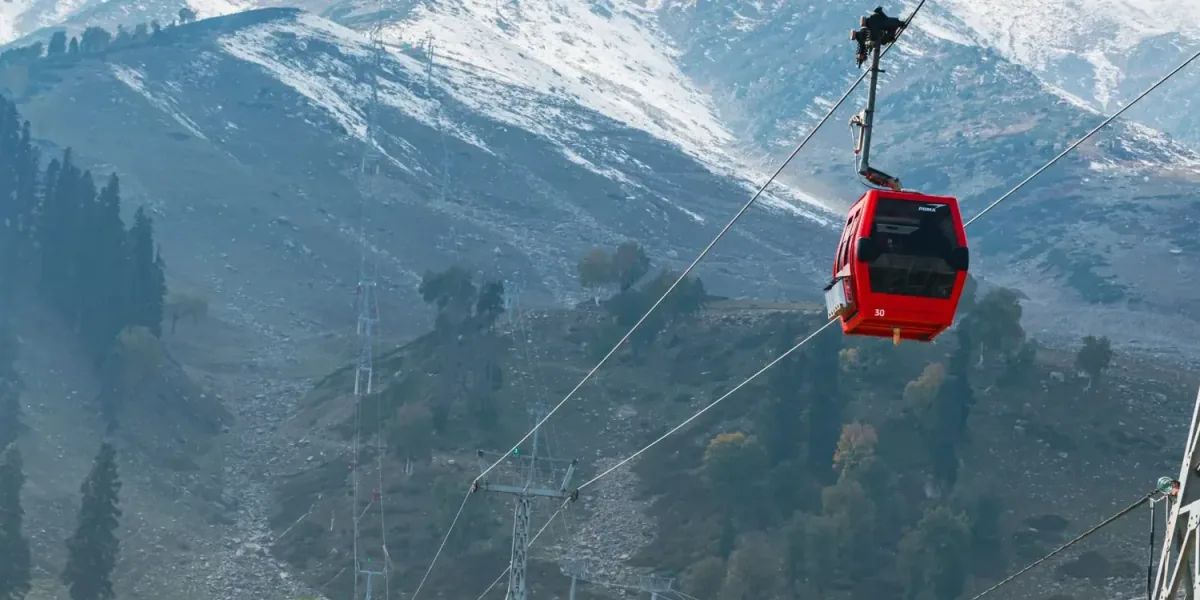
Gulmarg, a meadow town turned ski destination, is famous for its Gondola cable car — one of the highest in the world — and for snow-covered slopes that draw skiers from across the country every winter.
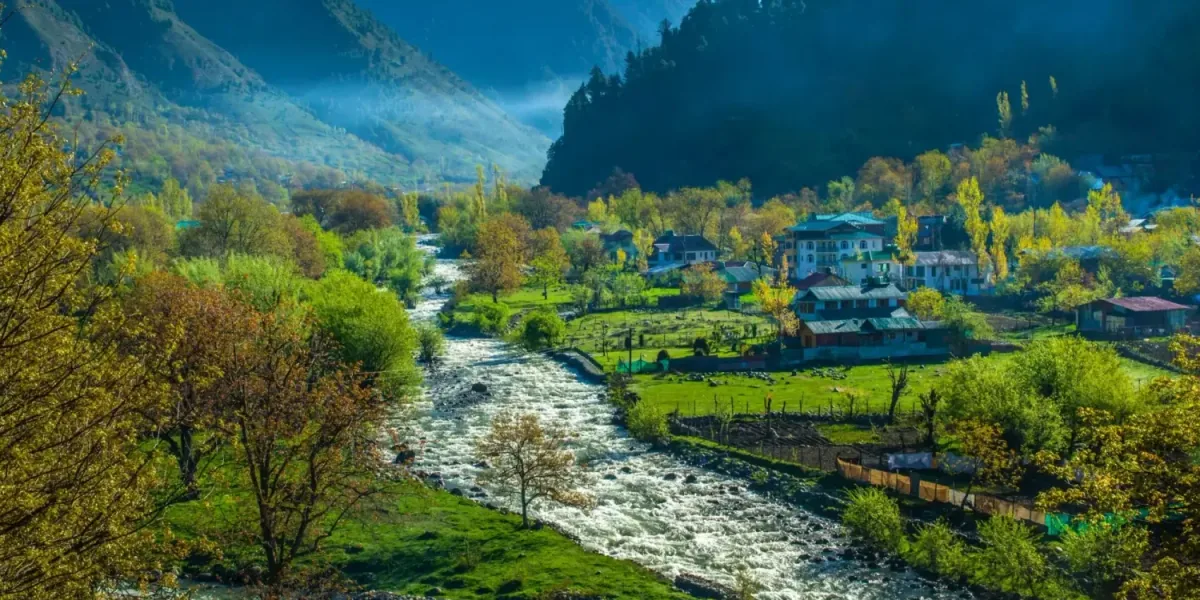
Pahalgam sits along the Lidder River, surrounded by pine forests, and works well both as a quieter alternative to Srinagar and as the base for the Amarnath Yatra route.
Sonmarg, the "meadow of gold," is the gateway to glaciers and high-altitude lakes like Thajiwas, and a popular stop for those heading toward Ladakh via the Zoji La pass.
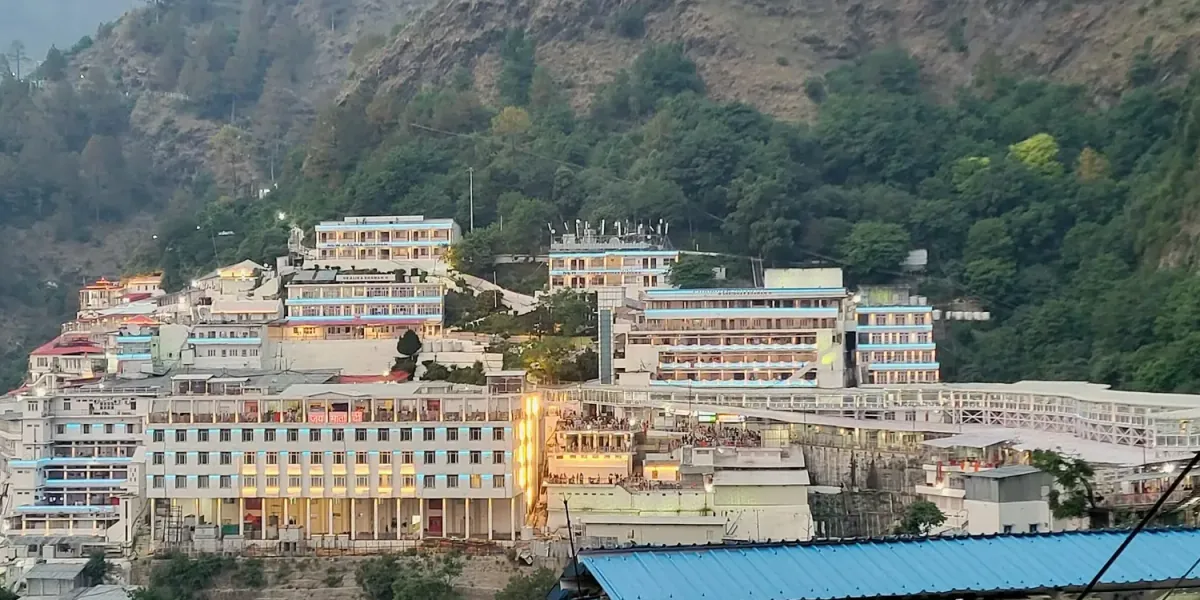
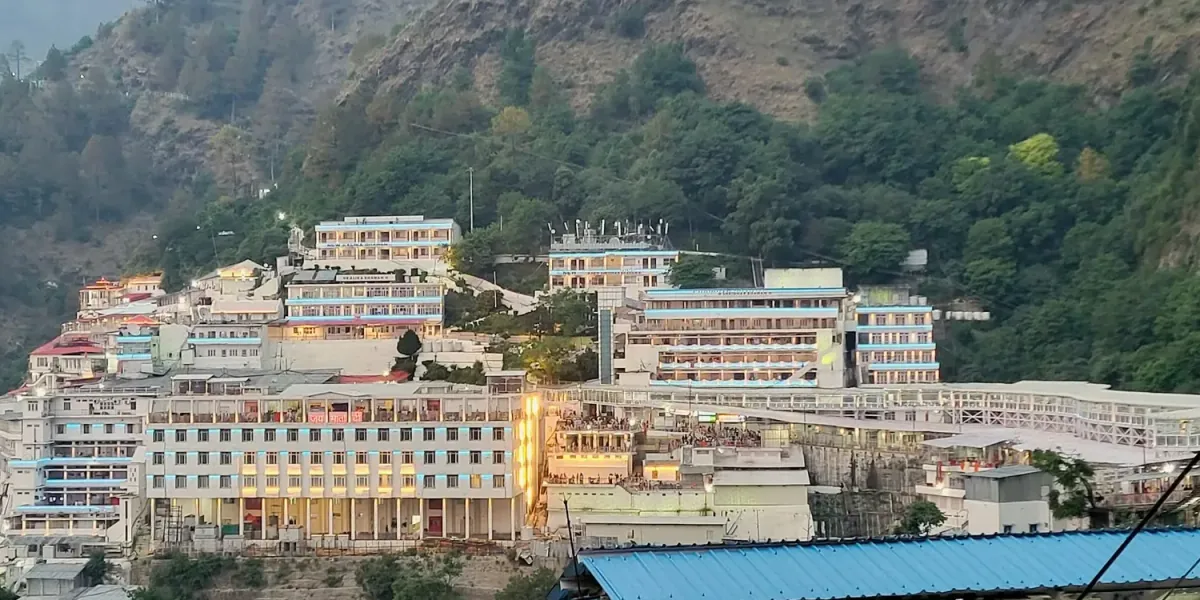
Katra, in the Jammu region, is the base town for the Vaishno Devi pilgrimage — one of the most visited Hindu shrines in the country.
Jammu city itself, often just a transit point for many travellers, has its own character with temples like Raghunath and Bahu Fort worth a stop if you have the time.
Top Attractions in Kashmir
Dal Lake, Srinagar — the valley's most iconic image, best experienced from a houseboat or a slow shikara ride at sunrise
Mughal Gardens (Nishat, Shalimar, Chashme Shahi) — terraced gardens built by Mughal emperors, still stunning centuries later
Gulmarg Gondola — a two-phase cable car ride that takes you from meadows to snow-capped peaks in under an hour
Betaab Valley, Pahalgam — a lush green valley named after a Bollywood film shot here, now one of the region's most photographed spots
Thajiwas Glacier, Sonmarg — a short trek or pony ride from the town, popular for its snow even in the middle of summer
Vaishno Devi Yatra — What You Need to Know
The Vaishno Devi shrine, set inside a cave on the Trikuta mountains near Katra, is one of India's busiest pilgrimage sites, drawing crores of devotees every year. The 13-km trek from Katra to the Bhawan can be done on foot, by pony, palki, battery car, or helicopter, and registration — through a free Yatra Parchi — is mandatory for everyone, even if you've already booked a helicopter or battery car ticket. You can register online in advance or at the Yatra Registration Counter near the Katra bus stand. Helicopter tickets, when available, cost roughly ₹1,730 one-way from Katra to Sanjichhat, after which it's a short walk or pony ride to the Bhawan itself.
Note: Booking windows and prices shift periodically, so it's worth checking the official Shrine Board website closer to your travel dates rather than relying on third-party agents.
Attraction Timings and Entry Fees
Gulmarg Gondola: Operates in two phases — Phase 1 costs around ₹800 and Phase 2 around ₹1,000 — and tickets are best booked online in advance, since on-the-spot availability can be unpredictable, especially in peak winter season.
Mughal Gardens: Generally open through daylight hours with a modest entry fee, and are at their best either early morning or just before sunset when the light hits the terraces beautifully.
Vaishno Devi: Registration is completely free; helicopter and battery car services carry their own separate charges as listed above.
Best Food to Try in Jammu and Kashmir
Kashmiri cuisine is built around the Wazwan — a multi-course feast of meat dishes traditionally served at weddings and special occasions, with Rogan Josh and Yakhni among its best-known dishes. Kahwa, a fragrant green tea flavoured with saffron, cardamom and almonds, is the drink you'll be offered almost everywhere, and it's worth having at least once by a houseboat window. Jammu, meanwhile, is known for its own specialities like Rajma Chawal and Ambal, a sweet-and-sour pumpkin dish rarely found outside the region.
Best Shopping in Kashmir
Srinagar's markets are famous for Pashmina and Kani shawls, intricately woven and often taking months to make by hand. Kashmiri carpets, walnut wood carvings, and Papier-mâché items — decorative boxes and ornaments painted with fine detail — also make for lasting souvenirs, though it's worth buying from reputable shops given how often imitations get passed off as handmade originals.
Dress Code Across Jammu and Kashmir
Kashmir's weather varies dramatically by season and altitude, so layering is more useful than any specific dress code — warm woollens in winter, and a light jacket even in summer evenings in places like Gulmarg and Pahalgam. At religious sites, including temples in Jammu and shrines in the valley, modest clothing covering shoulders and legs is appreciated. For the Vaishno Devi trek specifically, comfortable trekking shoes matter far more than what you're wearing on top, given the distance and incline involved.
Culture of Jammu and Kashmir
Kashmir's culture carries centuries of Sufi and Persian influence, visible in its architecture, its poetry, and even the unhurried rhythm of everyday conversation. Houseboats on Dal Lake, originally built by the British who couldn't own land here, have since become one of the region's most distinct cultural symbols. Jammu, in contrast, carries a stronger Hindu pilgrimage identity, with temple towns and a more plains-influenced way of life. Despite the region's difficult recent history, hospitality remains a defining trait — Kashmiris are known for treating guests with a warmth that often surprises first-time visitors.
Major Festivals in Jammu and Kashmir
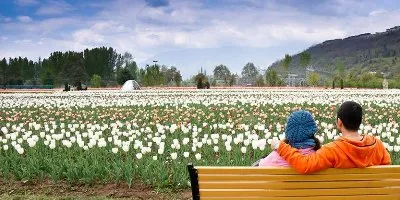
Tulip Festival, Srinagar (Mar/Apr): Held at Asia's largest tulip garden, with rows of tulips blooming against the backdrop of the Zabarwan hills.
Amarnath Yatra (Jun–Aug): A major Hindu pilgrimage to the Amarnath cave shrine, drawing lakhs of devotees each year via routes from Pahalgam and Baltal.
Navratri at Vaishno Devi (Mar/Apr and Sep/Oct): The shrine sees its heaviest footfall during these nine-day festival periods.
Hemis Festival influence and Losar: While mainly a Ladakh tradition, some Buddhist communities in the broader region also mark these occasions.
Baisakhi (Apr): Celebrated with particular enthusiasm in Jammu, marking the harvest season.
Language Spoken in Jammu and Kashmir
Kashmiri is the primary language across the Kashmir Valley, with its own distinct script and literary tradition.
Dogri is widely spoken in the Jammu region, alongside Hindi.
Hindi and Urdu are both commonly understood across the state and used in day-to-day interactions with visitors.
English is spoken comfortably in hotels, houseboats and tourist-facing businesses in Srinagar, Gulmarg and Pahalgam.
Traveller tip: Kashmiris often use a warm "Salaam" as a greeting, and a little effort with local phrases tends to open up friendlier, more genuine conversations with houseboat owners, shikara operators and shopkeepers alike.
One Day Itinerary Suggestions
Srinagar in a day: Morning shikara ride on Dal Lake, followed by the Mughal Gardens, and an evening walk through the old city's wooden bazaars.
Gulmarg in a day (from Srinagar): Early drive to Gulmarg, Gondola ride up to Apharwat Peak, and a relaxed afternoon in the meadows before heading back.
Pahalgam in a day (from Srinagar): Morning at Betaab Valley, followed by Aru Valley or Chandanwari depending on your pace, with the Lidder River as a scenic backdrop throughout.
Best Time to Visit Jammu and Kashmir
March to October covers most of what people come for — spring blooms, summer greenery, and pleasant weather for sightseeing across Srinagar, Gulmarg and Pahalgam. December to February turns Gulmarg into a genuine winter-sports destination, with skiing and snowboarding drawing a different kind of traveller altogether. Vaishno Devi, being an indoor cave shrine, is visited year-round, though the trek itself is more comfortable outside the peak summer heat of the plains.
How to Reach Jammu and Kashmir
Srinagar and Jammu both have their own airports with regular flights from Delhi and other major cities, making air travel the quickest option. By rail, Jammu Tawi is well connected to the rest of India, and Katra now has its own station too, making the Vaishno Devi journey more convenient than it used to be. Road trips into the valley are scenic but seasonal in parts, particularly routes crossing high passes toward Ladakh, which stay closed through the winter months.
With Arivo Holidays, experience the lakes, meadows and living faith of Jammu and Kashmir on a journey that lives up to the name paradise.
Frequently Asked Questions
Simple answers about booking, payments, trip plans and help during your holiday.
Still have questions about your trip?
Talk to our destination specialist for personalized itinerary guidance & custom quotes.